
Interview: What Turns a Demisexual Woman On (With Sarah)

A demisexual woman notices how you walk, how you treat the waiter and what your laugh sounds like, long before sex is on the table.
In this conversation my guest Sarah explains which signals decide whether she’s attracted to someone, and almost none of them are about looks: the way a man stands and moves, how he listens, eye contact, and the difference between confidence and arrogance. We also talk about why swipe culture rarely works for someone who needs connection before desire.
Sarah shares her story of testing positive for the BRCA gene and choosing a preventive double mastectomy, how reconstruction changed sensation, and how she thinks about telling a new partner. Then we get into protecting the moment of arousal, how to slow things down without wounding someone, what great sex means to her, getting out of your head, patience over performance, body image and size insecurity, and self-pleasure as part of wellness.
Interview: The Intimate Adventures of a 21-Year-Old Traveler (With Marisa)

Twenty-one, traveling the world alone, and she’s never had a bad experience with a stranger on the road.
My guest Marisa has lived and worked all over the world, and she talks openly about how travel shaped her confidence, her trust in people and her sexuality. We talk about trusting strangers, men who seem afraid of her, why a man’s confidence matters to her more than common interests, and what surprises men about the shy-looking woman who likes it rough.
We also cover satisfaction and wanting more, toys, telling a partner what she needs, curiosity beyond “normal” sex, bartending in a gentleman’s club, setting boundaries, and jealousy. Marisa also shares, with courage, that her first sexual experience was abusive, how she finally broke free and went to the police, the anger that came later, and what she believes helps a woman find the safety to speak up or leave. Listener discretion advised.
Can Men and Women Be Friends?
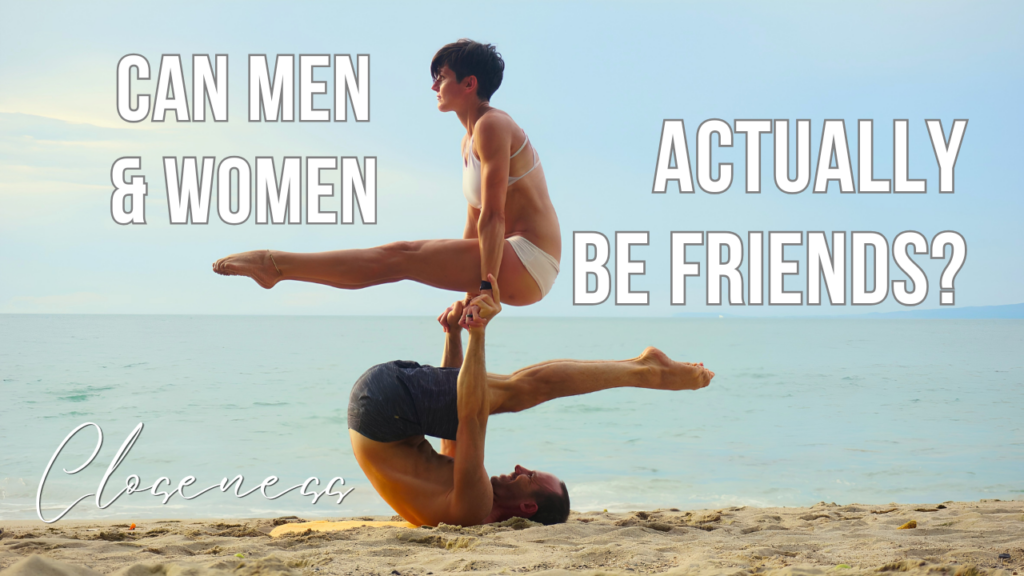
Most women are certain they have plenty of male friends. Most of them are mistaken.
Can men and women be friends? My answer is yes, but far more rarely than anyone wants to admit, and only under one strict condition. A friend is someone with no sexual charge and no secondary gain: nobody buying drinks, doing favors and clearing their schedule in the hope it eventually turns into something else.
I look at courtship disguised as friendship, why the same kind gesture can carry opposite intentions, the one way to know for sure, the naked test, how attraction can shift over time (especially for women), the gift of simply saying “I’m attracted to you” or “I’m not,” the myth that it “just happened naturally,” staying friends with an ex, sex between friends, and why we need friends at all.
13 Online Dating Mistakes That Kill Attraction (Part 3)

“I’m out with a friend.” “Maybe later.” “Tell me about yourself.” Which of these have you said to someone you liked?
Online dating mistakes rarely look dramatic. They sound like a vague answer, a canceled plan with no warning, or five days of silence between setting up a date and showing up for it, and each one tells the other person how little you value their time.
This is the lightning round: deadly sins 28 through 40. I cover vague answers about “my friend,” being painfully boring, thinking texting is the same as getting to know someone, treating every discomfort as a red flag, acting like you’re too good for someone, flaking without warning, and the interview questions people hide behind. I also share the time a woman with off-the-charts texting chemistry kept saying she couldn’t wait to meet, and never did.
The Next 12 Deadly Sins of Online Dating (Part 2)
A dating profile is an advertisement, and like most advertising it bends the truth about the person doing the selling.
This is Part 2 of three on the deadly sins of online dating. Most of these mistakes trace back to one decision: presenting a version of yourself you can’t deliver in person.
It starts with showing up looking about forty percent worse than your best photo, and what that gap says about how you see yourself. Then only telling people what you won’t do, endless excuses, dog filters and borrowed babies, one-word conversations, “next time” and “that’s okay,” doing things you don’t want to do, answering only half a text, “I’m never on here, hit me up on Snap,” and the games and tests nobody tells you exist.